Garage Door Spring Repair in Simi Valley
A snapped spring turns a door you could lift with one hand into dead weight. Leave it closed, keep clear of the bar above it, and call.
Torsion or extension: which does your door use?
| Point | Torsion | Extension |
|---|---|---|
| Where it sits | On a shaft above the door | Beside the horizontal tracks |
| How it works | Twists to store torque | Stretches as the door closes |
| When it breaks | Contained on its shaft | Needs a containment cable through it |
| Typical life | About 8 to 15 years, per cost guides | About 7 to 12 years, per one guide |
| DIY verdict | Advised against | Called possible by one guide; still risky |
Done the way the trade's own guidance says
Spring work is where garage doors hurt people, so the method matters more than the speed.
Counterbalance disabled first
Tension released with proper winding bars before any part comes off.
Cables and drums inspected
A spring break shocks the whole system, so cables, drums and bottom brackets get a look.
Containment on extension springs
A cable through each extension spring keeps a future break from whipping across the garage.
Balance proven at the end
The door should hold still when stopped part-way open.
Why springs give out in Simi Valley garages
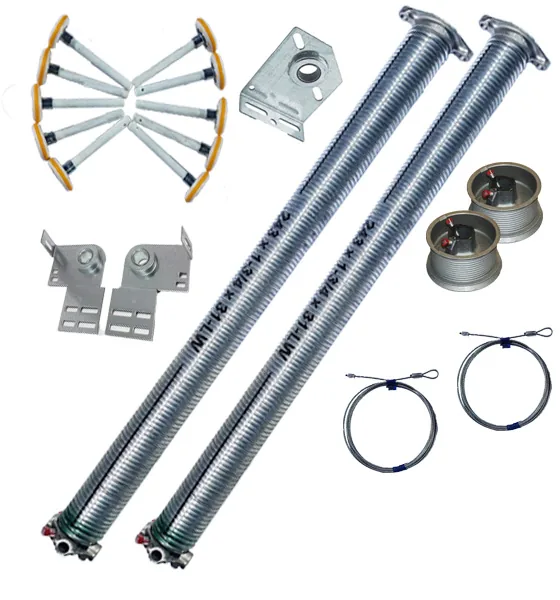
Mostly age and use. A residential door is designed for at least 10,000 open-and-close cycles, and standard springs are rated around the same figure, so a household running the door four or five times a day uses up a spring's design life in roughly six years. Simi Valley's housing stock sharpens that: about a quarter of homes date from the 1960s, many on their second or third set of springs, and any extension-spring door should be checked for a containment cable. Doors that picked up weight from paint or new panels wear springs faster. Work covers torsion and extension springs, cables, drums, bottom brackets and the balance test.
- ✓ Tension made safe first
- ✓ Spring sized to the door
- ✓ Cables and drums checked
- ✓ Containment cables fitted
- ✓ Balance test at the end
- ✓ Opener reversal checked
Why a new spring is sized, not swapped
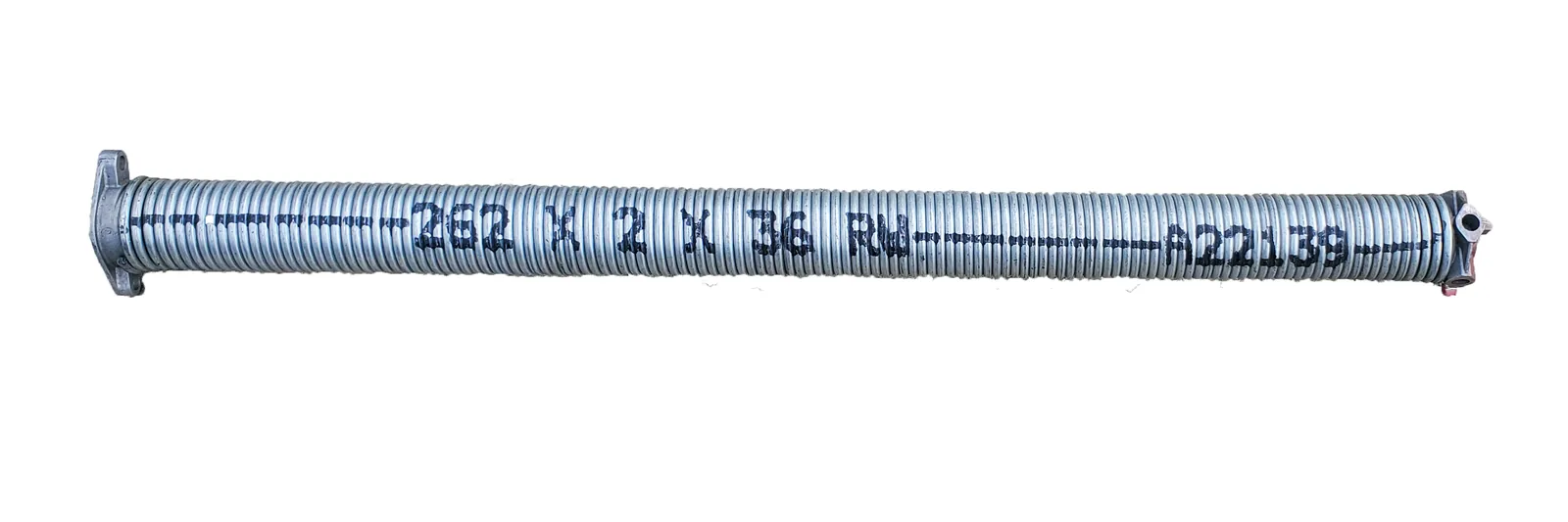
A replacement spring has to match the door's weight and cable drum, which is why the numbers stamped on the old spring are only a starting point.
- WeightPaint, glass inserts or a new panel add weight. When that is suspected, the door gets weighed with the springs disabled.
- TurnsToo many turns overloads the hardware; too few lets the door creep down.
- Wind directionTorsion springs come in left- and right-hand winds, and a backward wind is a hazard to the installer.
- RustCorrosion thins the wire and starts fatigue cracks at the pits.
How a spring gets replaced
Safe first, then measured, then balanced.
Secure
Door clamped closed and the broken spring's tension made safe.
Measure
Wire size, inside diameter, length, wind direction and the door's weight.
Replace
New spring wound to the right turns; cables re-seated on the drums.
Balance
Hand test at mid-height, then opener cycles and the reversal test.
Other repairs a spring break can lead to
When a spring goes, cables and openers sometimes follow.
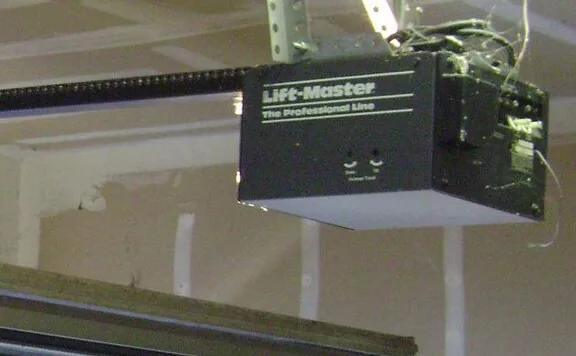
Opener Repair
Door reverses before it closes, motor hums and nothing moves, remote stopped working. Sensors, gears, boards and keypads.
Learn more →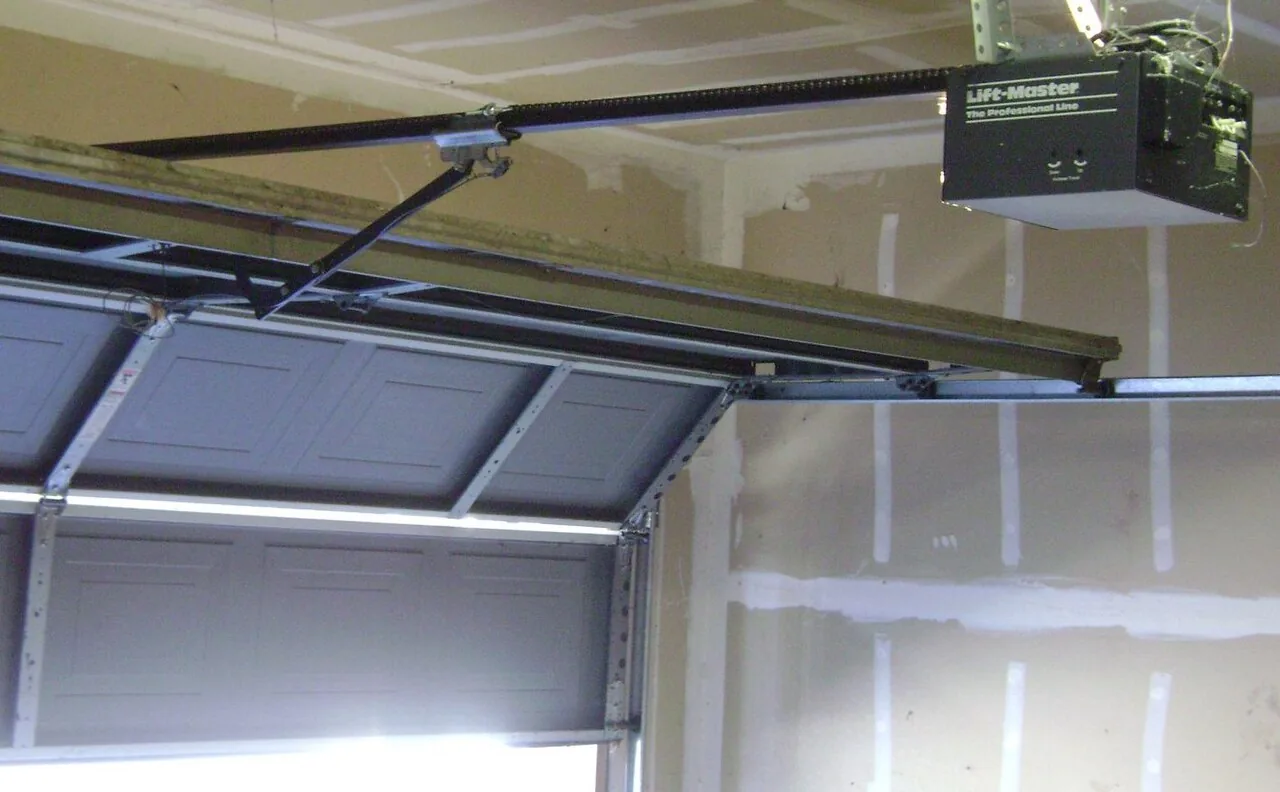
Opener Installation
Chain, belt and wall-mount openers, each fitted with the battery backup California has required since July 2019.
Learn more →Spring Repair
Torsion and extension springs sized to the door's weight and cable drum, not copied from the one that broke.
Learn more →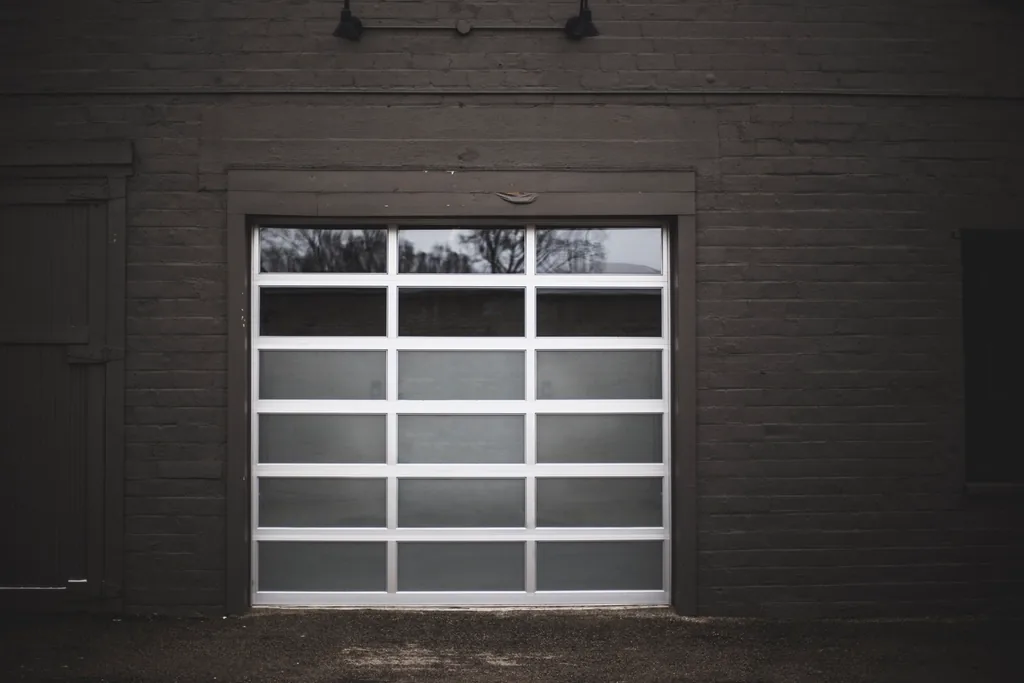
New Door Installation
Steel, insulated and glass-panel sectional doors, measured for headroom and side room before anything is ordered.
Learn more →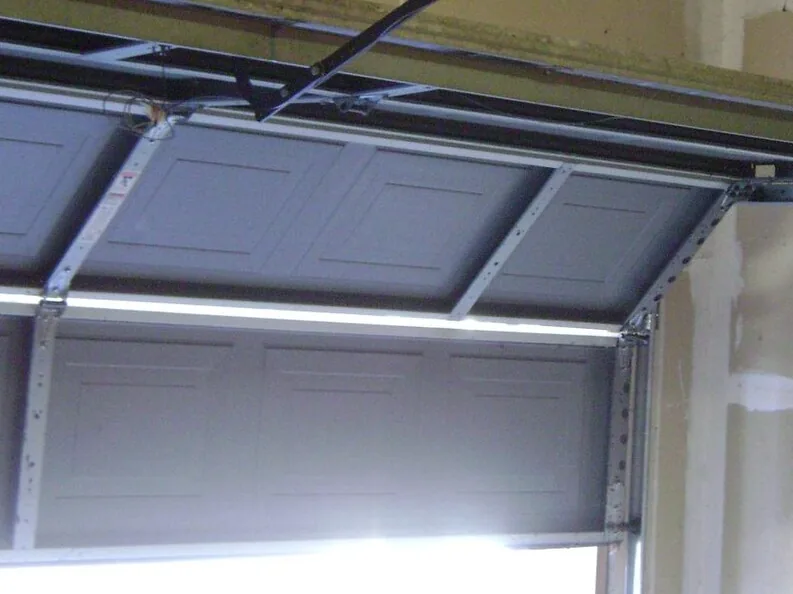
Off-Track and Cable Repair
Rollers out of the track, a cable off its drum, a door hanging crooked. Leave it where it is and call.
Learn more →Spring questions from Simi Valley homeowners
Heard the big bang?
Leave the door closed and call. A spring job is priced once the spring size and the door are known, before anything is unwound.