Garage Door Opener Installation in Simi Valley
Every new opener in California has to keep running through a power cut. Beyond that, the right drive comes down to noise, ceiling space and the door you already have.
Chain, belt, screw or wall-mount?
How the two biggest opener makers describe each drive. Where neither source compares a point, the table says so.
| Drive | How it moves the door | Noise | Ceiling rail | Best for |
|---|---|---|---|---|
| Chain | A roller chain pulls the trolley | Louder than belt | Yes | Heavy or busy doors; the most common, lowest-cost type |
| Belt | A reinforced belt replaces the chain | Quietest ceiling-mounted option | Yes | Garages under or beside bedrooms |
| Screw | A threaded steel rod drives the trolley, with fewer moving parts | Not compared | Yes | Mild climates; Genie advises against it where temperatures swing hard |
| Wall-mount | Turns the torsion shaft from beside the door | Not compared | No rail | Low or crowded ceilings; needs a torsion-spring door |
What a proper opener install includes
An opener is only as safe as the door it drives, so installation starts with the door, not with the box the opener came in.
Door balanced first
An opener should guide a balanced door, never lift dead weight. Springs get checked before the rail goes up.
Photo eyes set low
Mounted 4 to 6 inches up and squared to each other, as CPSC guidance describes.
Battery backup fitted
Required on every residential opener installed in California since July 1, 2019.
Reversal test at handover
A 2-inch block on the floor, the door reverses, and you see it done.
How an opener gets installed
Measured, chosen, fitted, tested.
Measure
Headroom, ceiling height, door type, and whether a torsion bar exists for a wall-mount unit.
Choose
Drive type, power and features agreed, with the price, before installation.
Install
Rail or wall unit fixed to framing, sensors set, wall button five feet up or higher.
Test
Force, travel limits and the reversal test, then a walk-through of the manual release.
Opener rules, by the numbers

What changes when a Simi Valley garage gets a new opener
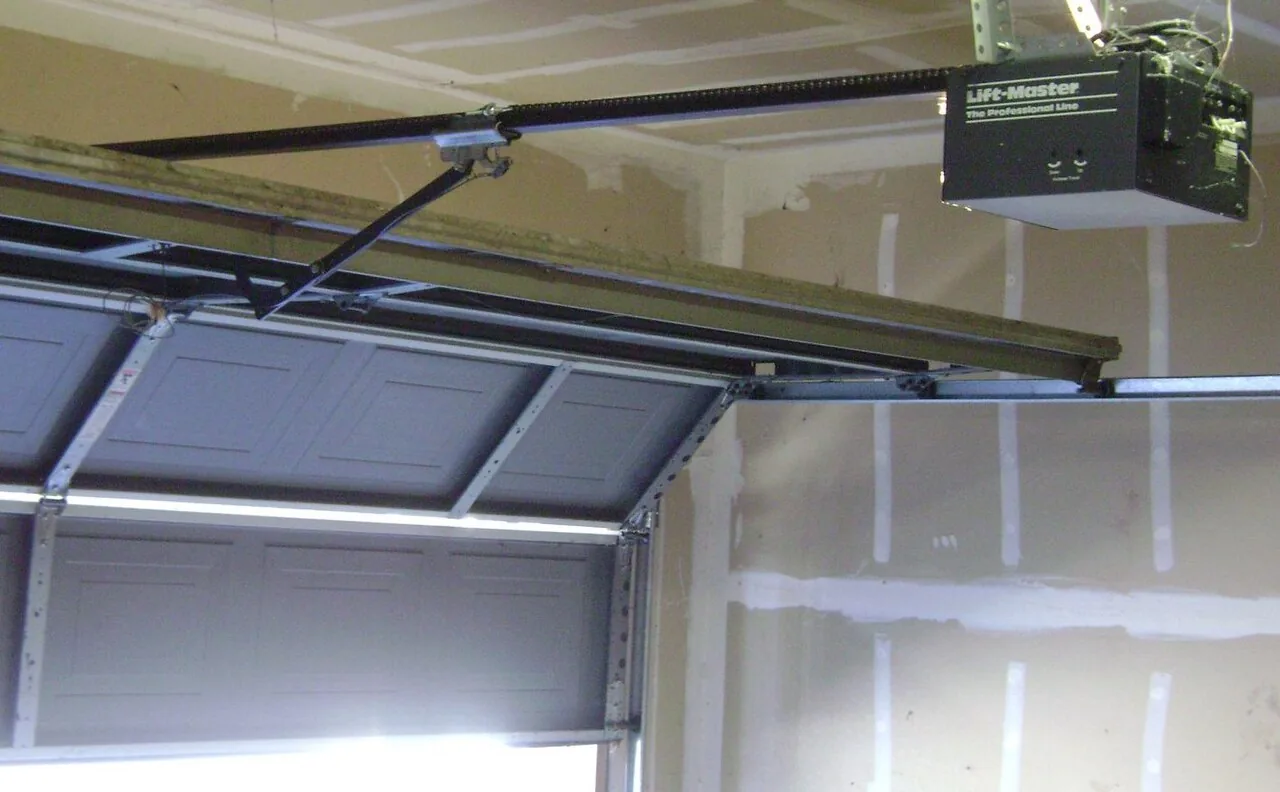
The biggest change is the battery. Since July 1, 2019, California has barred the sale or installation of any residential opener without a battery backup that keeps it running through an outage, and the state can fine every opener installed in violation. For a Simi Valley household that parks in the garage, that backup decides whether the car can get out when the power is down. LiftMaster puts the life of the battery in its integrated units at one to two years, so it becomes routine maintenance. Installs cover chain, belt and wall-mount openers, sensors, keypads and the reversal test at handover.
- ✓ Door balanced first
- ✓ Battery backup fitted
- ✓ Photo eyes 4 to 6 in up
- ✓ Wall button at 5 ft+
- ✓ Manual release in reach
- ✓ Reversal test at handover
Other garage door work
A new opener is a good moment to look at the springs and the door it will drive.
Opener Repair
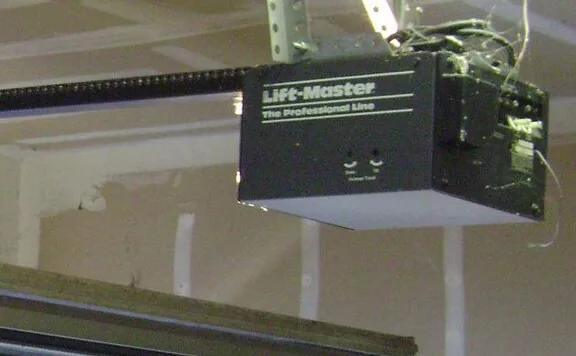
Door reverses before it closes, motor hums and nothing moves, remote stopped working. Sensors, gears, boards and keypads.
Learn more →Opener Installation
Chain, belt and wall-mount openers, each fitted with the battery backup California has required since July 2019.
Learn more →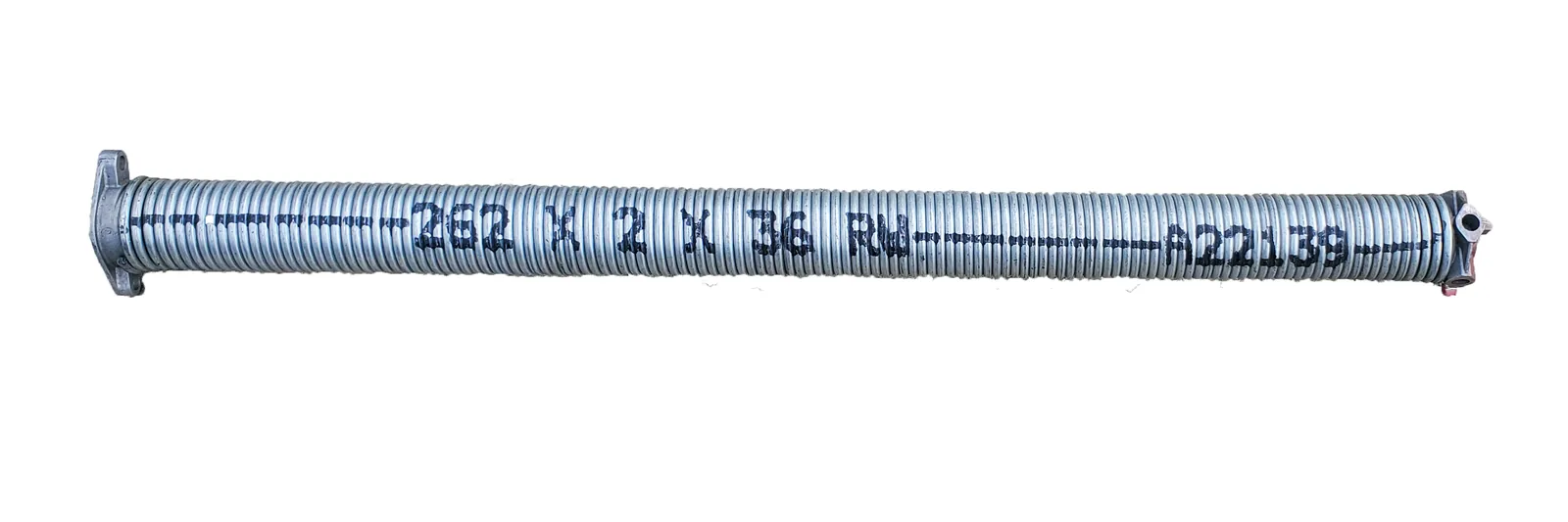
Spring Repair
Torsion and extension springs sized to the door's weight and cable drum, not copied from the one that broke.
Learn more →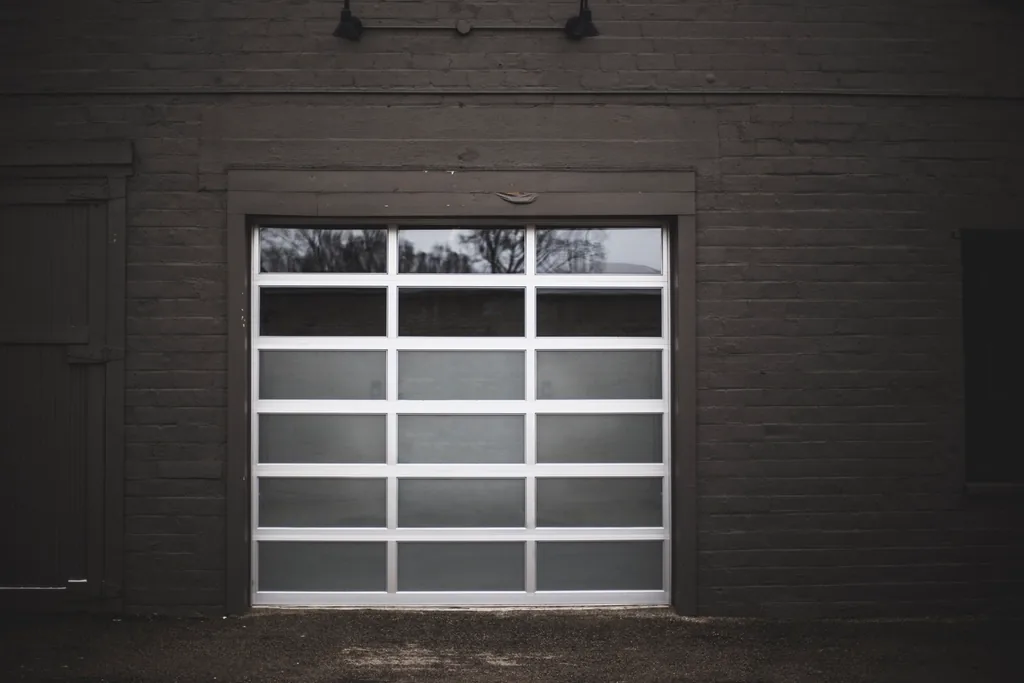
New Door Installation
Steel, insulated and glass-panel sectional doors, measured for headroom and side room before anything is ordered.
Learn more →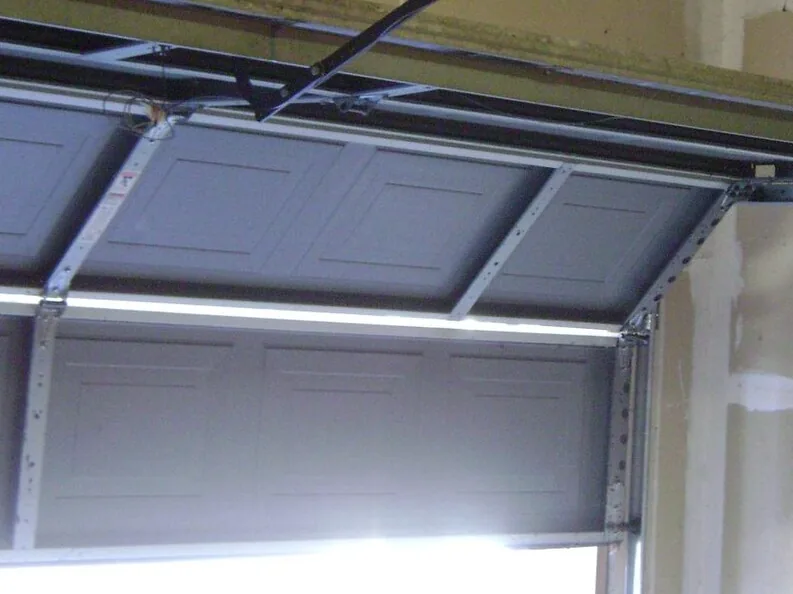
Off-Track and Cable Repair
Rollers out of the track, a cable off its drum, a door hanging crooked. Leave it where it is and call.
Learn more →Opener installation questions from Simi Valley
Ready for a new opener?
Call with your door type and ceiling height if you know them. The right drive and a price come before any installation date.