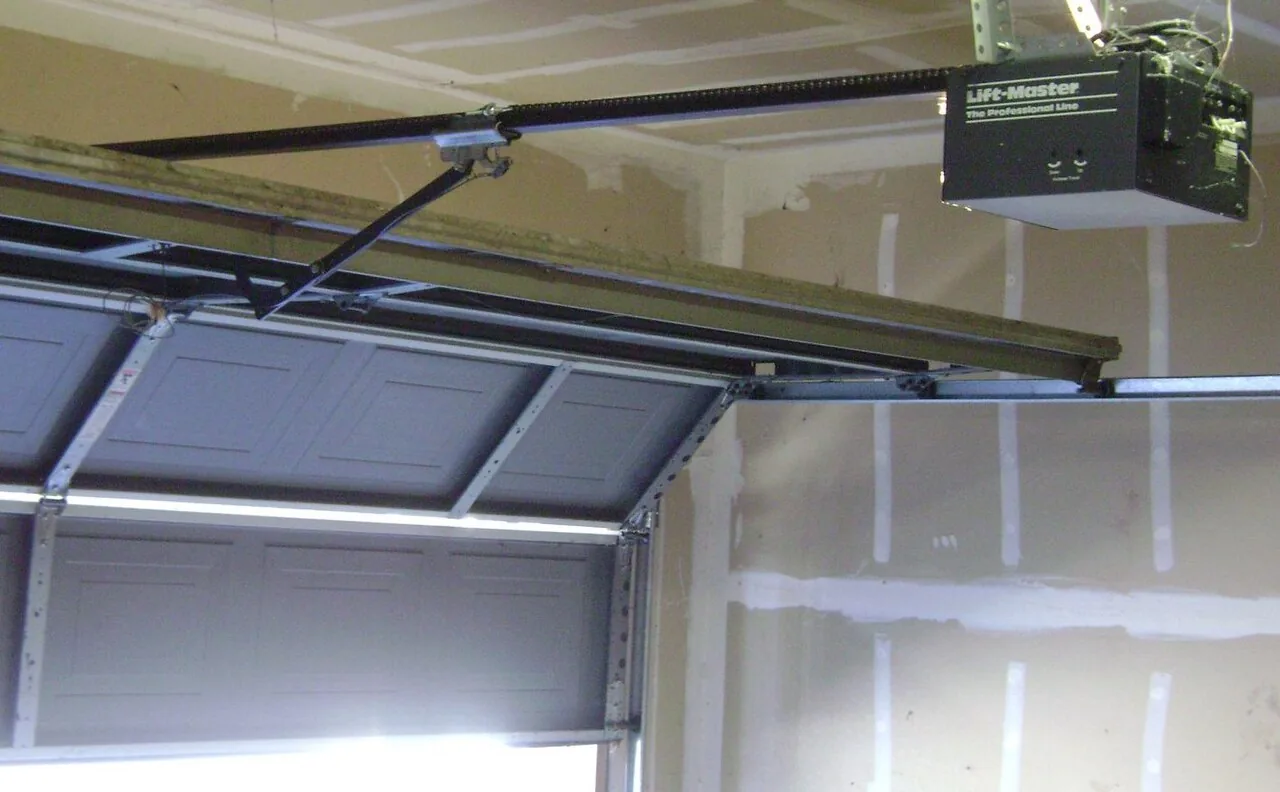
Garage Door Opener Repair in Simi Valley
If the door reverses, stalls or ignores the remote, the fault is usually in one of four places: the sensors, the drive, the controls or the power.
Which opener problem do you have?
Match the symptom to the likely cause before anyone touches the door.
Reverses before it closes
Photo eyes out of line, dirty or blocked. The opener checks them on every close cycle.
Wall button fails too
Often a sensor or button wire pulled loose or nicked along the wall.
Motor hums, nothing moves
A stripped drive gear or a door that is jammed. Check the door before blaming the motor.
Remote stopped working
A dead battery, a lock-out setting switched on, or a remote that needs re-pairing.
Stops short of the floor
Travel limits have drifted, or the door is binding in its track.
Door feels heavy by hand
Then a spring may be the real problem, not the opener. That is a spring repair.
Fix the cause, not the symptom
A new opener does not fix a door that is out of balance, and an unbalanced door wears out the next opener too. So every opener call starts with the door off the opener: released, lifted by hand, checked.
Manual release checked
The red release handle should pull free and hang no higher than about six feet, so anyone can reach it.
Sensors aligned
Photo eyes set 4 to 6 inches off the floor and squared up so the door closes first time.
Reversal tested
California requires anyone servicing an opener to confirm it reverses on a 2-inch block, and to tag one that fails.
Wall button placed right
In sight of the door, clear of moving parts, at least five feet off the floor.

Why so many Simi Valley openers fail the same way
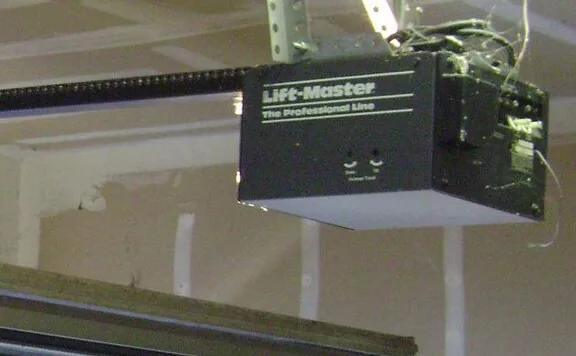
Because a lot of them are old enough to predate the rules that make openers safer and outage-proof. Openers built for the US market since January 1993 must carry a second entrapment device, usually a pair of photo eyes, and California added its own battery-backup requirement in July 2019. In Simi Valley, where roughly two out of three homes were built between 1960 and 1989, many garages are on their second or third opener, and the oldest units still running can miss both features. Repairs here cover sensors, drive gears, logic boards, travel limits, remotes and keypads, and the reversal test that closes every job.
- ✓ Sensor alignment
- ✓ Gear and trolley repair
- ✓ Logic board swaps
- ✓ Remote and keypad pairing
- ✓ Force and limit setting
- ✓ 2-inch reversal test
How an opener repair goes
Four steps, with the price agreed at step two.
Disconnect
Release the door from the opener and test it by hand for balance and binding.
Diagnose
Find the failed part, whether sensor, gear, board, limit or wiring, and price it.
Repair
Replace or adjust the part, then reset travel limits and closing force.
Test
Reverse on a 2-inch block, then run several full open and close cycles.
Repair the old opener or replace it?
If the opener has no photo eyes, or a new door is coming anyway, the repair money is usually better spent on a new unit.
- No sensorsAn opener without the external safety device required since 1993 cannot be brought up to standard with one part.
- New door comingCalifornia bars connecting a replacement door to an opener without battery backup, so a door swap often means an opener swap.
- One failed partA gear, board or sensor on a newer unit is normally worth repairing.
- Fails the 2-inch testDisconnect it until it is fixed or replaced. California requires a warning tag on a unit that fails.
Related garage door repairs
Opener trouble and door trouble often turn up together, so it helps to know the neighbors.
Opener Repair
Door reverses before it closes, motor hums and nothing moves, remote stopped working. Sensors, gears, boards and keypads.
Learn more →Opener Installation
Chain, belt and wall-mount openers, each fitted with the battery backup California has required since July 2019.
Learn more →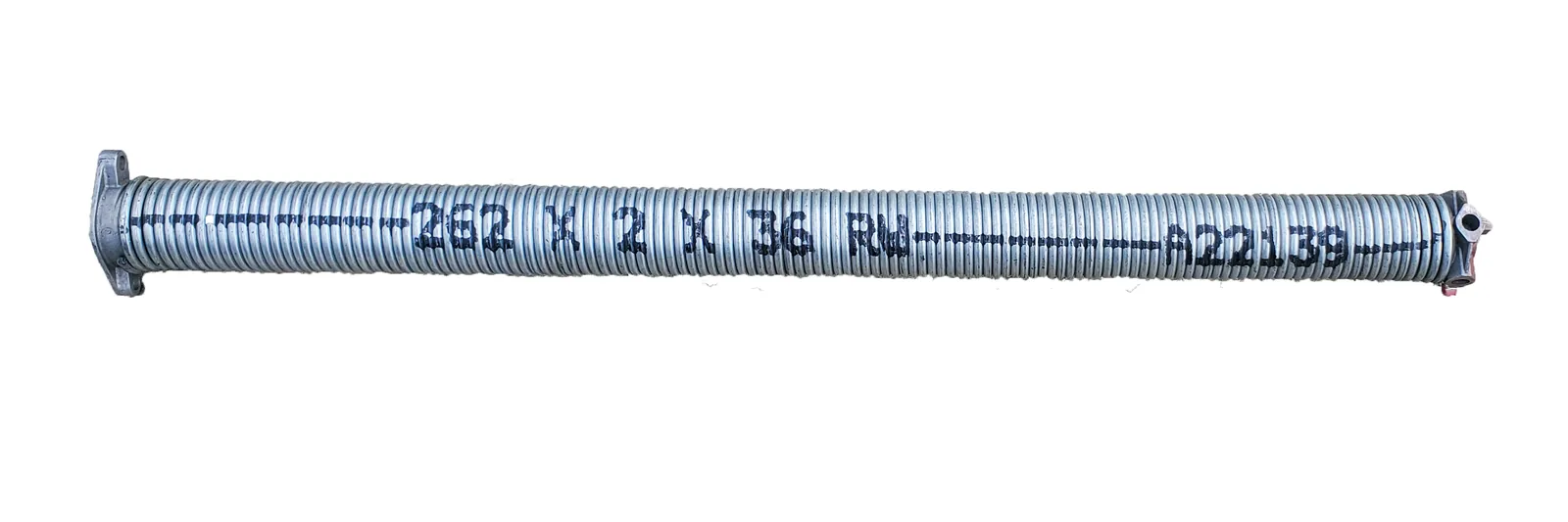
Spring Repair
Torsion and extension springs sized to the door's weight and cable drum, not copied from the one that broke.
Learn more →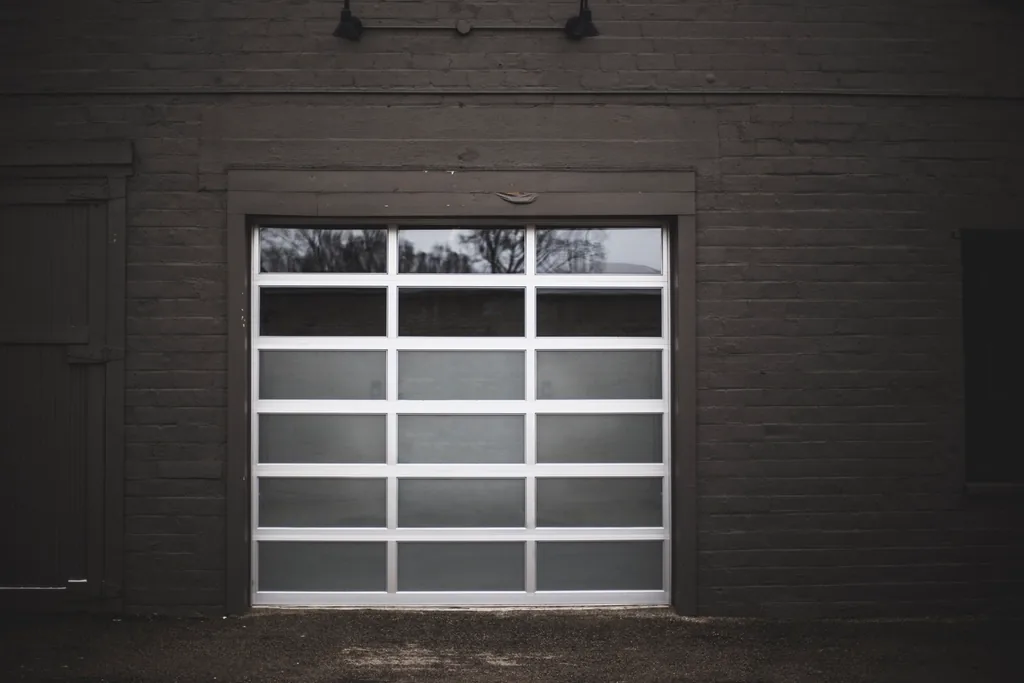
New Door Installation
Steel, insulated and glass-panel sectional doors, measured for headroom and side room before anything is ordered.
Learn more →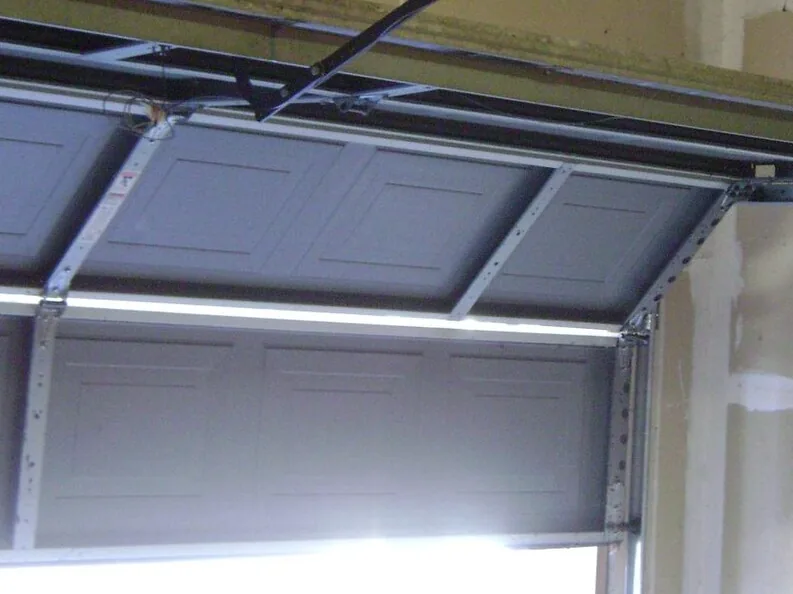
Off-Track and Cable Repair
Rollers out of the track, a cable off its drum, a door hanging crooked. Leave it where it is and call.
Learn more →Opener questions we hear in Simi Valley
Opener acting up again?
Tell us what happens when you press the button. Most opener faults can be narrowed down on the phone before a technician is sent.